Showing posts with label cholesterol. Show all posts

Tuesday, November 26, 2013

Cholesterol is an issue, right?

by Glen Depke, Traditional Naturopath

If you read last week's newsletter "Heart Disease, out of sight, out of mind?", you might remember this exchange, "now that I have your attention in regard to the impact of heart disease, let's talk about the main contributing factors to this cultural challenge."

"Of course the biggest issue is cholesterol right? BIG FAT NO"

Today we address that "BIG FAT NO!"

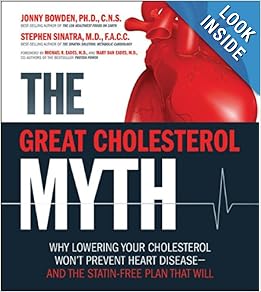
I want to start by sending out a special thank you to my good friend and wellness extraordinaire Dr Jonny Bowden for co-authoring the book, The Great Cholesterol Myth with Dr Stephen Sinatra, a well known holistically minded cardiologist. While I have done countless research on cholesterol myself, these two gentlemen took it to another level. Bits and pieces of this article are directly from their book and I would recommend this read to anyone interested in learning about cholesterol and heart disease.

First off, what are some key points to understand in regard to cholesterol?
  • Cholesterol is a minor player in heart disease
  • Cholesterol levels are a poor predictor of heart attacks
  • Half the people with heart disease have "normal" cholesterol levels
  • Half the people with elevated cholesterol have healthy hearts
  • Lowing cholesterol has extremely limited benefits
When we think of cholesterol, we often have a belief that it is a "bad guy." Well, guess again! Life cannot go on without cholesterol which is basic raw material made by your liver, brain and basically every cell in your body. This cholesterol is used to produce hormones and bile acids, to create the membranes for every cell in your body and for every myelin sheath in your nervous system. And this is just the beginning...

So is cholesterol really the "bad guy" and if cholesterol is not the big challenge with heart disease, what is?

Again, if you remember from last week, we mentioned stress, inflammation and oxidative damage as the main causes but there are more. The are other areas to address:
  • Don't smoke
  • Drink alcohol in moderation
  • Engage in moderate to vigorous exercise for at least half hour per day on average
  • Maintain a healthy weight with a BMI under 25
  • Eat a wholesome, low glycemic, low sugar diet with plenty of omega 3's and fiber
When discussing cholesterol, it is important to update your information and once again, I thank Dr Jonny Bowden and Dr Stephen Sinatra for this shared info from their book, The Great Cholesterol Myth.

We have been taught that HDL is the good cholesterol because it removes the LDL or so called bad cholesterol. When reviewing your HDL results, you would like to see these above 60 per Dr Bowden and Dr Sinatra, while I have been saying at least 55. Maintaining a healthy weight, physical activity and a diet that includes health fats is believed to keep HDL levels higher.

The "new" information on HDL tells us that these levels are more tightly controlled by genetics. A study in 2011 showed that raising HDL did nothing to protect against heart attacks, stroke or death. It is now known that there are two different types of HDL (HDL-2 and HDL-3) and while number 2 is protective and anti-inflammatory, number 3 is actually inflammatory. With this said, the function of the HDL rather than the straight number is most important.

Now for LDL or the "bad" cholesterol. This was thought to be "bad" because it would build up in the arteries and impede blood flow and it's levels should be low. Too much saturated fat, inactivity and being overweight were thought to be the most significant contributing factors.

So here's the "new" info on LDL. First off, all LDL is not the same. The LDL-A does no harm unless it is damaged by oxidation. The LDL-B is the culprit that promotes atherosclerosis. There is also a Lp(a) which is highly anti-inflammatory and provides much of the repair and restoration of damaged blood vessels. However, if the need for repair is chronic this can lead to the promotion of deposits of oxidized LDL into the wall of the vessels and lead to inflammation and eventual plaque build up, while also promoting the formation of blood clots.

I think you can recognize one word that continues to come up in these conversations. That word is oxidation. Obviously reducing oxidative damage is very important in regard to LDL's and heart disease as discuss in last week's newsletter.

So with this new information, what do you want to look at?

If you really want to know what's going on with your cholesterol and if this is truly an issue, look at the newer particle tests for cholesterol. This would tell you how much of your LDL is type A or B, measure the number of particles and the amount of the potentially dangerous Lp(a).

Another "old" that needs to be replaced is that saturated fat is bad and nutritional cholesterol raises your blood cholesterol levels. This is now shown to be very insignificant from a dietary perspective. Actually the cholesterol that would potentially raise by consuming saturated fat is HDL and the LDL-A, which is the positive LDL. There is actually NO evidence that supports a direct relationship between saturated fat and heart disease. If you go back to the early 1900's when heart disease was virtually non-existent, saturated fat was in very high consumption.

In the end you can see that cholesterol is not the issue we once believed but understanding the breakdown of your cholesterol can also be very education for you.

Remember, for a complete understanding of The Great Cholesterol Myth, I would recommend Dr Bowden's and Dr Sinatra's book. You'll love it!

Friday, November 22, 2013

Heart Disease, out of sight, out of mind?

by Glen Depke, Traditional Naturopath

You almost never hear about heart disease any more. It is basically out of sight, out of mind.
  • Is this because it is not longer an issue?
  • Is this because it is simply no longer in vogue?
  • Is it because we are winning the battle against this deadly chronic illness?
Here are your answers.

Prevalence of cardiovascular disease in adults ≥20 years of age by age and sex (National Health and Nutrition Examination Survey: 2005–2008). Source: National Center for Health Statistics and National Heart, Lung, and Blood Institute. These data include coronary heart disease, heart failure, stroke, and hypertension.

This shows that by the time you reach the age of 40, there is basically an over 30% chance that you will develop heart disease or similar. Over the age of 60 the chances are almost 75% and make it to 80 years old and you are over 80% likely. YIKES!

Obviously this is still and issue and we are not winning the battle, so I guess it is simply not in vogue to discuss heart disease anymore. Heck, we've got so much else to talk about right? Cancer, autoimmunity, diabetes and the list goes on.

So where does heart disease fall in with these other in vogue issues?

Cardiovascular disease and other major causes of death for all males and females (United States: 2008). A indicates cardiovascular disease plus congenital cardiovascular disease (International Classification of Diseases, 10th Revision codes I00–I99, Q20–Q28); B, cancer (C00–C97); C, accidents (V01–X59, Y85–Y86); D, chronic lower respiratory disease (J40–J47); E, diabetes mellitus (E10–E14); and F, Alzheimer disease (G30). Source: National Center for Health Statistics and National Heart, Lung, and Blood Institute.
You can see that these other challenges still pale in comparison to heart disease. Regardless of public discussion, this is a huge impact for our culture. So while cancers get most of the headlines these days, we are missing the boat on a much bigger issue.

Cardiovascular disease (CVD) deaths vs cancer deaths by age (United States: 2008). Source: National Center for Health Statistics. CVD includes International Classification of Diseases, 10th Revision codes I00–I99, Q20–Q28; and cancer, C00–C97.
Taking this one step further, let's look at the breakdown of chronic cardiovascular issues as related to deaths.

Percentage breakdown of deaths attributable to cardiovascular disease (United States: 2008). Source: National Heart, Lung, and Blood Institute from National Center for Health Statistics reports and data sets. *Not a true underlying cause. With any mention deaths, heart failure accounts for 35% of cardiovascular disease deaths. Total may not add to 100 because of rounding. Coronary heart disease includes International Classification of Diseases (ICD), 10th Revision codes I20–I25; stroke, I60–I69; heart failure, I50; high blood pressure, I10–I13; diseases of the arteries, I70–I78; and other, all remaining ICD I categories.
If you would like the complete PDF of this release follow this link.

Now that I have your attention in regard to the impact of heart disease, let's talk about the main contributing factors to this cultural challenge.

Of course the biggest issue is cholesterol right? BIG FAT NO! I don't even want to get into the cholesterol myth here, so if you want my deeper opinion on cholesterol visit this article.

I had the opportunity to reach out to my friend Dr Jonny Bowden, who is also the co-author of the Great Cholesterol Myth with cardiologist Stephen Sinatra, M.D.. In this book they collectively debunk cholesterol and statin drugs, while getting to the core of heart disease. According to Dr Jonny, the three main challenges that contribute to heart disease are:
  • Mental/emotional stress
  • Inflammation
  • Oxidative damage
The big question now is, what do you do about these three areas?

Mental/emotional stress

So how do you deal with the mental/emotional stress? Eliminate your stress right? Well, not likely. It is next to impossible to eliminate the stress in our lives but there is a way out of this. The key is not eliminating the stress but in dealing with stress in a healthy way.

One way to do this is to practice deep breathing techniques. To assist in stress relief follow the directions below.
  • Take at least 3 to 5 deep belly breaths every waking hour
  • Always take 3 to 5 of these during times of stress
  • Inhale through your nose for about a count of 7 while protruding your stomach while allowing your breath to flow down into the area of your belly button
  • Hold that breath for a count of 4
  • Exhale forcefully through your mouth while contracting your stomach muscles for about a count of 8
Try this when you feel stressed out and you will recognize that you will almost immediately relax. For further tips go to the DepkeWellness.com home page and register for the complimentary video series. The last video of that series provides many different techniques to reduce the affect of stress.

Inflammation 

Inflammation is most often a significant factor in regard to heart disease. The big challenge though, is that so few really understand the complexity of inflammation, it's triggers, the NF-kB state, your adrenal tie, the self imposed feed back loops and proper dosing of anti-inflammatory protocols.

I have mentioned chronic inflammation many times in the past and for those that are not aware, I refer to this as a NF-kB state. Often clients in my office ask me what NF-kB stands for and honestly, my response generally does not help much, but here we go. NF-kB stands for nuclear factor kappa beta and is defined as a complex group of proteins that controls the transciption of DNA. Obviously DNA transcription play a huge role in any chronic illness including heart disease.

NF-kB controls the expression of genes encoding the pro-inflammatory cytokines, chemokines adhesion molecules, inducible enzymes and growth factors. It is found in all cell types and is involved in cellular responses to stress, cytokines, free radicals and antigens. In short, the chronically activated NF-kB state has been linked to any chronic illness including heart disease.

This NF-kB state is triggered by stress, food intolerance, infection, obesity, addiction and chemotherapy. The frustrating part of this for so many, is that even if you remove all the triggers, the NF-kB state will likely continue to be an issue for you. I cannot tell you how often I have clients in my clinic that feel hopeless and frustrated because they have done so much to be healthy, yet cannot reach their goals. This is often due to the NF-kB self amplifying feedback loops. Understanding this NF-kB state and the feedback loops is the key to one of the biggest impacts in heart disease.

The most important point to make in this article is the fact that you can address the NF-kB state. I have listed the steps used with success at Depke Wellness to address this properly. 

*I do not recommend addressing this on your own, so please work with a natural health practitioner that would be considered and expert in the NF-kB state.
  • Address food intolerance and nutritional challenges
  • Learn healthy ways of addressing stress
  • Address any chronic infections (generally gut related)
  • Balance adrenal function
  • Increase peripheral circulation
  • Balance immune function with glutathione and vitamin D
  • Address phase I & phase II liver detoxification pathways
  • Take the correct dosage of curcumin and resveratrol (the dosing and form of both is of utmost importance)
I have seen this work with consistency over the years with not only the clients in my clinic but with myself personally. Simply put, if you want to significantly reduce your risk of heart disease, address your NF-kB state. 

Oxidative damage

A simple way to define oxidative stress is the damage made to a cell through the oxidative process. Oxidation is a very normal process as it occurs all the time to our bodies. When there are disturbances in the natural oxidation process, such as the attraction of a free radical to another molecule in your body, the results are often toxic effects.

Imagine a piece of iron lying on the ground. As it weathers years of rain, environmental exposure, sun, and other factors, it begins to rust. The rust is caused by oxidation. Free oxygen radicals are created during the metabolism of normal oxygen cells also known as oxidation. These free radicals are missing a simple electron and are in search of another molecule that they can combine with to become whole. In their quest to become whole they fire charges that damage other cells and structures around them. This in turn causes the rust.

In effect your body is "rusting" as it goes through its lifetime, with free oxygen radicals wildly running through your system searching for a mate. Understand that the more free radicals your body contains the more damage that's likely to be done. The best way to see this damage is through our normal aging process.


To date science has discovered that oxidative stress may very well be the cause of over 70 chronic ailments in your body with heart disease toward the top of the list.

Depending on what form of toxin or stress your body is exposed to on an ongoing basis, you could find yourself suffering, even at an early age, from diseases that could be prevented if only you'd have minimized the harmful free radicals in your system.

Here are just some of the diseases are caused by oxidative damage:

• Heart Disease
• Cancer
• Arthritis
• Lung Disease
• Fibromyalgia
• Diabetes
• Neuro-degenerative Diseases like Parkinson's and Alzheimer's
• Autoimmune Diseases
• Eye Diseases like Macular Degeneration


Even back in the early days of man free radicals existed and caused oxidative stress.

They're inherent to life and a normal byproduct of regular oxygen molecule metabolism. However our bodies were only made to withstand so much exposure to free radicals (even though our body does an amazing job at neutralizing them in a normal, low-toxin setting).

The increased and prolonged exposure to these wild and reckless free radicals cause a faster build-up of "rust" or disease in our bodies.

So what are some of the most common reasons our body's oxygen molecules oxidize themselves into an increased amount of free radicals? Some of them you're probably well aware of, and some of them may come as a surprise.

• Environmental and Air Pollution
• Cigarette Smoking
• Excess Stress
• Prescription and Over-the-Counter Medications
• Radiation
• Excessive Exercise
• Over-Exposure to Sunlight

So what do you do to combat this oxidative damage?

The key ingredient to reducing the amount of free radicals in your system is antioxidants. Antioxidants are fantastic little substances that wander through your body, giving up an electron to the greedy free radicals charging through your system. They neutralize the free radicals and allow your body to do its business of excreting them safely and without harm.

Our bodies already make several different types of antioxidants all on their own. But as our exposure to harmful free radicals in the environment and through our lifestyles increase, our need for outside supplies of antioxidants is vital in the war against aging and degenerative disease.

While a good supply of antioxidants come from natural sources like healthy food, we also need to supplement those sources.

Increasingly, our food supply is being degraded through harmful growing practices and soil depletion, and can no longer be relied upon to protect us from the oxidative stress all around us.

With a healthy supply of free-radical-neutralizing antioxidants, you can see how our bodies are better able to withstand and ward off the "rusting" for decades longer than we currently do.

Based on the information in this article you can see that heart disease is still a huge issue in our culture. Hopefully you also recognize the main culprits here behind heart disease and more importantly, the fact that you have the power to make some changes in your own health and wellness to balance these issues.

If you would like to learn more about Depke Wellness addressed heart disease, feel free to call our office at (949)954-6226 and set up your complimentary 20 minute intro today. We can do this in office or over the phone.

Thursday, May 9, 2013

High Cholesterol???

by Glen Depke

Time and time again, clients walk into my office with a main concern of high cholesterol. I understand this because most conventional medical doctors put the fear of death into patients that have high cholesterol. When our clients visit Depke Wellness with cholesterol issues, we use their lipid panel to understand function of their body and their current state of healing crisis.

It is important to understand the cholesterol is produced in your body based on a need. While cholesterol plays many essential roles in your body, I have a top three that I always refer to.
  1. Cholesterol is an essential precursor to hormone production. When your body is under physical, mental/emotional and/or chemical stress, hormone production is high, thus cholesterol generally rises.
  2. Cholesterol is a major component of the cell membrane of EVERY cell in your body. As your body is turning over new cells, cholesterol is essential.
  3. Cholesterol is a part of every myelin sheath in your nervous system. Your autonomic nervous system is the master regulator of your body and obviously extremely important.
Understand that when your cholesterol is high, your body has predetermined a need for more cholesterol to assist in your healing crisis. In the opinion of Depke Wellness, the cholesterol is not the issue, the issue is the underlying challenges that require the healing crisis. 

This could be:
  • Poor fundamentals of health
    • Lack of regular deep breathing
    • Dehydration (We recommend one quart of water for every 50 LBS. of body weight daily)
    • Poor nutrition
    • Food intolerance (gluten or cross reactive foods)
    • Poor sleep
    • Lack of physical movement
    • Poor bowel movements (less than 2 per day)
    • Lack of sun exposure
    • Poor stress response
  • Adrenal insufficiency
  • Oxidative stress
  • Free radical activity
  • Gut/brain challenges
  • Chronic inflammation
  • Poor immunity
  • Infection
Notice that I never mentioned consuming food with cholesterol as an issue. This is simply a cholesterol myth. Here are some common cholesterol myths.
  • Eggs are evil - Dietary cholesterol is not nearly as dangerous as once thought. You will absorb approximately 15% of your dietary cholesterol and your liver will regulate cholesterol production accordingly.
  • Americans have the highest cholesterol - According to statistics presented by WHO in 2005, we are actually in the middle of the road as far as ranking with other countries throughout our world. Likely, we have gone up since 2005 but we are still not the highest.
  • Kids can't have high cholesterol - Most feel that high cholesterol is a middle age issue but these days, kids as young as 8 years old are having imbalances in their lipid profiles. Remember though, the problem is still not the cholesterol.
  • Cholesterol is a bad thing - As addressed above, you can understand the cholesterol is actually essential to your health and well-being.
  • Low cholesterol is a sign of good health - Forget this one, just as many people die of heart attacks with cholesterol below 200 as over 200.
  • High LDL means you are heading for a heart attack - Nearly 75% of those hospitalized for a heart attack actually fall within the recommended ranges for LDL.
  • All LDL is created equal - The particle size of your LDL is actually what you want to look at. Larger LDL particles do little or no harm, while the little oxidized particles causing inflammation are a huge issue.
I could go on with cholesterol myths but I trust that you get the picture.

So what are you truly looking at for the best reference based on your conventional lipid profile testing?

Number one, look at your HDL level and ration of HDL and LDL. I am not concerned about your total cholesterol. I am first looking at your HDL, which I am recommending to be at 55 or above. Once you have this number, your LDL should not be more than double your HDL. I have had clients that have had significant high HDL, such as 95 and a LDL of 175. Add these together with also adding in the VLDL, this person may have a cholesterol level of 295 and I would be telling them this this is optimal.

There is one more factor to pull into this and that is the ration of HDL to triglycerides. I would suggest dividing your triglyceride total by your HDL total. If your triglycerides are 95 and your HDL is 55, your ration is 1.73. If your triglycerides are 187 and your HDL is 40, your ration is 4.68. Ultimately, you would like this ratio to be 2 or less. Once again though, if the ratio is high, you want to address the underlying health challenges, not the cholesterol or triglycerides specifically. Once you balance your body physically, mentally, emotionally, chemically and vibrationally, these levels typically take care of themselves.

Also as mentioned above, if you can actually complete a particle test for cholesterol, you are looking at the small particles as the issue and not the larger particles.

One of the biggest challenges with conventional thought is the fact that cholesterol is looked at as the bad guy when this truly does not fix the problem. An even bigger challenge is the most people are put on cholesterol lowering medications without truly addressing the underlying problems. This isn't even taking into account the sometimes horrific side effects produced by these meds. I have seen clients on the meds that suffer with severe muscle aches and pains that are unbearable as well as clients find that their liver enzymes shoot up while on these meds. Another issue is that the cholesterol lowering meds also affect the production of CoQ10 in your liver. CoQ10 is a coenzyme that plays a huge role in cellular energy. The CoQ10 is actually essential for the mitochondria of each cell, which is the engine that drives every cell in your body. These are especially important for your muscles and your heart. Funny that the medication that you may be taking to help you from having cardiovascular issues can deplete something that is essential for your heart muscle.

So in the end, make sure you pay attention to the ration of HDL:LDL and the ration of HDL:triglycerides. If you find these to be off, address your underlying health conditions with a qualified natural health practitioner. Both myself and Lynda at Depke Wellness are always here for you. (949)954-6226

If you have any comments or questions, please leave these below for us to address personally.


Monday, September 10, 2012

Heart Disease...Winning or Losing?

by Glen Depke

Heart disease was such a focus for so long but isn't it funny that we rarely here of this anymore? 

Is this because we are winning or losing?

Let's find out.

Here is the American Heart Association year-end report:

Statistics Highlights:
 

Although death rates from heart disease and stroke continue to fall, risk factors and the financial and societal burdens of the diseases remain high, according to the American Heart Association’s Heart Disease and Stroke Statistics – 2011 Update.

The estimated total cost (including heath expenditures and lost productivity) from heart disease and stroke in the United States is higher than that for any other diagnostic group.

This year’s report includes tracking of the role genetics play in heart disease risk and notes that if your parent had a heart attack at an early age, your risk of having one is nearly double for men and 70 percent for women. (I would share that the most significant factor is "learned" behavoir)


America is winning a battle against heart disease and stroke mortality, but is still losing the war, according to the American Heart Association.

In Heart Disease and Stroke Statistics – 2011, published online in Circulation: Journal of the American Heart Association, the association reports that the death rate from heart diseases declined 27.8 percent from 1997 to 2007 (the most recent final data available), and the stroke death rate fell 44.8 percent.

However, during the same period, the total number of inpatient cardiovascular operations and procedures increased 27 percent. The estimated total cost from heart disease and stroke in the United States for 2007 (including health expenditures and lost productivity) was $286 billion. That’s higher than any other diagnostic group.


For more info visit http://networking.americanheart.org/blogs/6/114. 

With this information, we can see that as a whole we are getting better at recognizing heart disease earlier and using medical intervention to lower the death rate, but we are still missing the boat on how to prevent this.

Don't be a statistic and depend on medical intervention. Be proactive and address your health at a core level. Save some money and more importantly, save your health and happiness.

Here are some simple tips to be proactive in warding off cardiovascular disease at a core level. Eliminate or significantly reduce these free radicals or the substances that create free radical activity:
  • Smoking
  • Heated or rancid vegetable based oils
  • Toxic chemicals
  • Chemical additives
  • Radiation exposure through X-rays, ect...
  • Microwaving in plastic
  • Use of plastics with food
  • Chlorinated water
  • Sugar
I also want to mention the importance of staying regular with your bowel movements and also define that regular means two healthy bowel movements per day. This is a factor for heart disease because putrefied bacteria in your gastrointestinal system can combine with bile acids to form a very powerful free radical. The longer it takes to move your colon, the more free radical is formed.

It is important to share that individuals do not suffer from heart disease because they eat too much cholesterol containing foods. Simply put, when you have damage to the arterial walls, cholesterol (plaque) is used to repair this damage. 

What causes the damage? 

Free radical activity.

If your not exercising, why not?

While exercise does not prevent or remove plaque, this does effectively enlarge your arteries so it takes more plaque to create a blockage.

Stress and adrenals?

Mental/emotional stress and the effect this has on your adrenal function plays a huge role in heart disease. Finding healthy ways to reduce your reaction to stress is a significant factor. This may be exercise, yoga, deep breathing practices, prayer, and/or any other practice that allows you to release in a healthy way. 

Notice I do not say, take away your stress. While this would be awesome, it is not real to many of us. I'll share though, that finding a healthy way to release is the key.

It is also a good idea to assess your adrenal function. I have reviewed more than 3,800 of these tests in my career and have only seen 4 come back healthy originally. 

There are also some key nutrients that you can use as a way to ward off heart disease. 
  • Antioxidants such as vitamin E or C to address free radical activity
  • Niacin as one of the best known blood fat lowering agents
  • Vitamin B6, B12 and Folic Acid to lower homocysteine
  • Calcium, magnesium and potassium as essential minerals for a healthy heart
  • CoQ10 which is the coenzyme that enables the mitochondria which is the driving force behind every cell in your body but especially your heart
  • Omega 3 fatty acids
While there are other nutrients and supplements that could be used, I wanted to provide the basics. 

So recognize that we truly are not winning the war on heart disease, but you do not have to be one of the statistics.

If you have any comments or questions about this article, please post this below for me to address personally.


Monday, June 6, 2011

Who Should Have High Cholesterol?

by Glen Depke

Really, there are people that should have high cholesterol? In the perfect world this would not be the case, but I do not know of anyone that lives in this perfect world. So yes, there are individuals that absolutely need higher amounts of cholesterol production within their bodies are here is a list of those that you would typically see this higher production.

Those with a higher than normal cholesterol production would include but not be limited to those with:

•       High stress life
•       Hormone imbalance
•       Physical, mental or emotional  health challenges
•       Brain and nervous system challenges
•       “Sick” people
•       Extreme athletes

The reason these people would typically require a higher production of cholesterol is due to the positive factors that cholesterol plays in your body. Here is a list of these positive benefits.

•       Essential to the function of the human body
•       Prevents some types of Cerebrovascular Diseases
•       Essential component of Cell Membranes
•       Key constituent of the Myelin Sheath that insulates Neurons
•       Cholesterol’s byproducts are essential components of Bile
•       Protects the Skin against infection by detrimental bacteria and fungi
•       Cholesterol possesses Antioxidant properties
•       Essential to healthy Brain function
•       Assists in preventing Depression
•       Low cholesterol increases risk of Cancer
•       Precursor for the formation of Steroid Hormones
•       Increases the number of receptors in the brain for Serotonin
•       Essential precursor for the production of Vitamin D

With this said, you can see that your body needs cholesterol. If you fit into one of the categories of those that need higher cholesterol, your body may require a higher production of cholesterol to assist in balancing and healing the body.

Think of it this way. Prior to having your blood drawn to assess cholesterol levels, are you ever asked any of the questions below?

•       Are you under a lot of mental emotional stress?
•       Are your hormones imbalanced?
•       Do you really “push it” with your exercise?
•       Have you been chronically ill?

These are the questions you need to be asked to assist in understanding where you fall in regard to a cholesterol need.

Also understand that about 70 – 80% of your body’s cholesterol is produced in liver or the cells of your body. The other 20 – 30% will come from your nutrition. Only about 50% of your nutritional cholesterol is absorbed by the body while most of the remainder will be released in your bile. If you consume higher amounts of nutritional cholesterol, the body will adjust its own production accordingly. Recognize that consuming cholesterol in your food is not this issue.

So if your doctor tells you your cholesterol is high, this does not mean the next step is a statin drug. The next step is to understand where your bodily imbalance may be and address this. When your body no longer needs the excess cholesterol, your production will decrease. I see this so often in my years as a Traditional Naturopath. Often you will see cholesterol levels rise during healing, only to fall again once you reach a state of balance.

For further information on cholesterol feel free to visit this link to another blog post earlier in the year.

If you have any comments or questions, please post these below and I will answer them personally.

If you have been diagnosed with high cholesterol and you would like to understand where your challenge may lie, register for a FREE 20 minute phone consultation here.

Tuesday, January 18, 2011

Is Cholesterol Killing You?

by Glen Depke

If you pay attention to most conventional doctors and mainstream thoughts on medicine, than yes, cholesterol is killing you. If you pay attention to the basic needs of the body, you will learn that cholesterol is always exactly as it should be.

I know what we have been told; if your total cholesterol is above 200 you need to get this down. If you cannot get it down on your own, you will need to take some form of stating to reduce your cholesterol.

Let’s first understand some of the basics about cholesterol. Most important is to get that cholesterol is produced in the body by the liver based on a determination of need by the body. When anyone tells us that our cholesterol is too high, they are telling us that the body does not know what to do. I don’t know about you but I know my body is smarter than my “taught” intelligence and the intelligence of any other human being. If we are doing something to artificially lower this we are potentially creating many other challenges in the body.

So what factors are substantial in regard to our liver producing cholesterol? Just a short list of some of the necessary roles of cholesterol is listed below:

• Cholesterol is a part of EVERY cell membrane in your body
• Cholesterol is a part of EVERY myelin sheath within your nervous system
• Cholesterol is one of the core components to producing hormones to maintain balanced health and wellness
• Cholesterol is very important in the conversion of sunlight into Vitamin D in your body
• Cholesterol also plays a role in manufacturing Vitamin A, E and K
• Cholesterol is a significant aspect of producing bile acids
• Protects against infectious disease

This short list shows the importance of proper cholesterol production to create health and wellness. Now if your cholesterol levels are being lower artificially, the question to ask yourself is, which of these many processes in my body are not happening and what is this costing me? The other question is what is potentially happening to your body if you are taking statins? Today millions of people all over the world are taking medicine that may create muscle weakness, bad memory, bad temper, impotency and painful legs, just to name a few of the potential side effects.

So what’s a person to do it they have high cholesterol? First of all, don’t put your main focus on the total cholesterol. The most significant factor is looking at the ratio of HDL and LDL. Notice I do not call them “good” or “bad” cholesterol because they are both necessary for health and wellness. It is preferred to find your HDL above 55 and your LDL not more than double your HDL. So let me give you an example of one of my clients. This man is a regular participant in triathlons so you can imagine the regular stress that is put on his body. He had a total cholesterol in the 270s which would have normally had him on statins immediately. When we looked at the HDL and LDL separate this told us a different story. His HDL was 95 and his LDL was about 165. This with his VLDL gave him the total in the 270s. Why were all these numbers so high? As I mentioned, his body is under a lot of stress and his liver manufactures this amount in order to keep balance. I not only suggested that his cholesterol was fine but I mentioned that due to the ratio, he had room for it to increase.

Obviously everyone reading this article is not a triathlete but I would guess that many reading this are also under a lot of physically and mental/emotional stress. If your cholesterol is high, it would make sense to me. A healthy liver will produce more cholesterol when you are in a healing crisis with the eventual goal of balance in the body. When the healing crisis is complete the cholesterol will lower on its own. I see it all the time.

So if your cholesterol is high, your HDL is low or your ratio is out of balance, it is time to look at what’s challenged in your body. Make some new choices and changes in your life, let your body complete the healing crisis and watch the cholesterol go down. To learn more about the overall changes needed to shift to health, visit Depke Wellness and click through the links provided for free health information to begin your journey to health and wellness.

Please feel free to post below with any questions or comments you may have to this article. This is a subject for an entire book but I wanted to expose some of the very basic understands for you.